
Landing a remote job abroad from Nigeria can often feel like an uphill battle. The competition is fierce, and many job seekers find themselves caught in the endless cycle of applying through job boards, often with little to no response.
But what if I told you there are ways to cut through the noise and dramatically increase your chances of landing that remote position you desire?
Today, I want to share with you two proven strategies that I personally used to secure remote jobs, without relying solely on traditional remote job websites and without being overwhelmed by competition.
These methods helped me get a remote contract from Europe while I was in Nigeria, and I’m confident they can work for you too, whether you’re a seasoned freelancer or someone looking to break into remote work. Let’s dive in.
Method 1: The Power of a Simple Google Search
The first strategy I used to land a remote job was surprisingly straightforward—it involved nothing more than a well-crafted Google search. It was about two years ago when I first employed this method, and within just a few days, I had an offer in hand.
Let me walk you through exactly what I did so you can replicate the process.
How to Search Effectively
Instead of heading straight to popular job boards like LinkedIn, Indeed, or Upwork, I started with a Google search using specific keywords.
For example, I typed in “hiring content writer”.
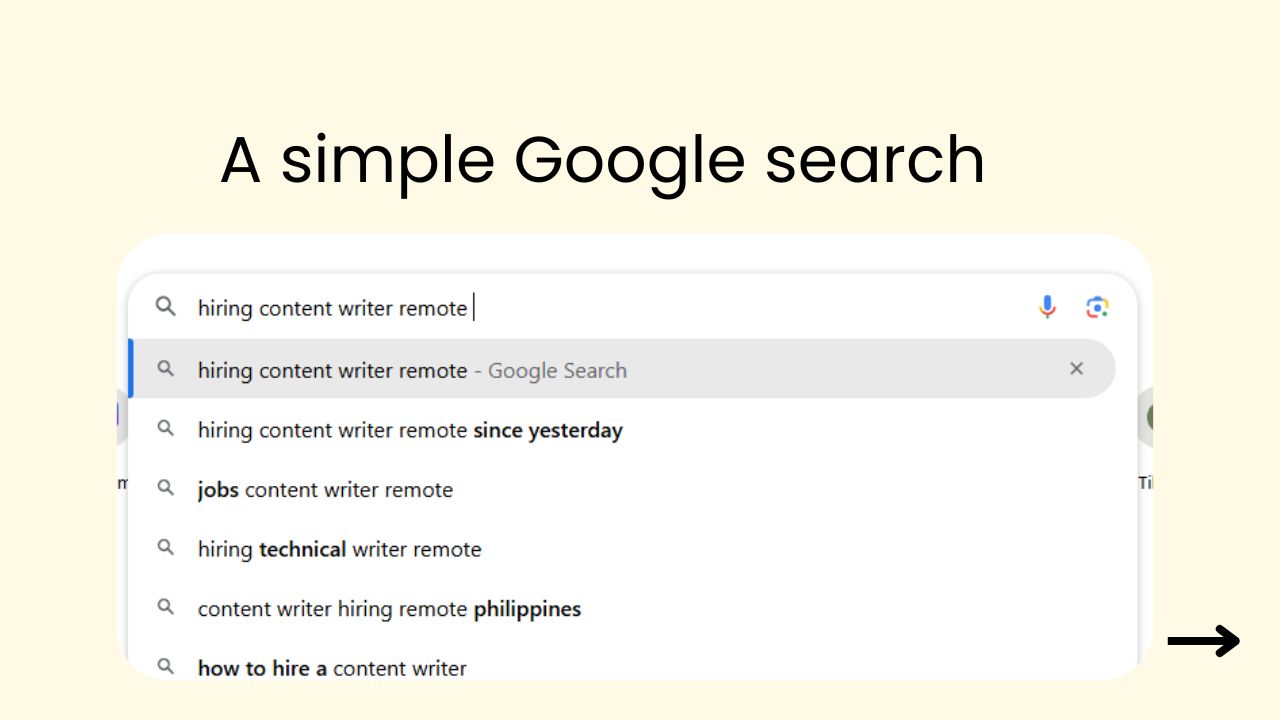
The key here is to scroll through the results and skip the typical job boards. These boards are usually flooded with applicants, making competition incredibly high. Instead, I focused on company websites or niche pages that might have direct job postings.
As I scrolled through the search results, I looked for companies that were hiring but not advertising on the big platforms. This is crucial because many companies post job openings only on their websites, which are less trafficked by job seekers and therefore have fewer applicants.
Why This Works
Having previously worked for a recruitment and job search company, I had access to insider data that revealed a surprising fact: most jobs are not listed on popular job boards. Many companies prefer to post jobs on their own websites or lesser-known platforms. As a result, the competition for these postings is significantly reduced.
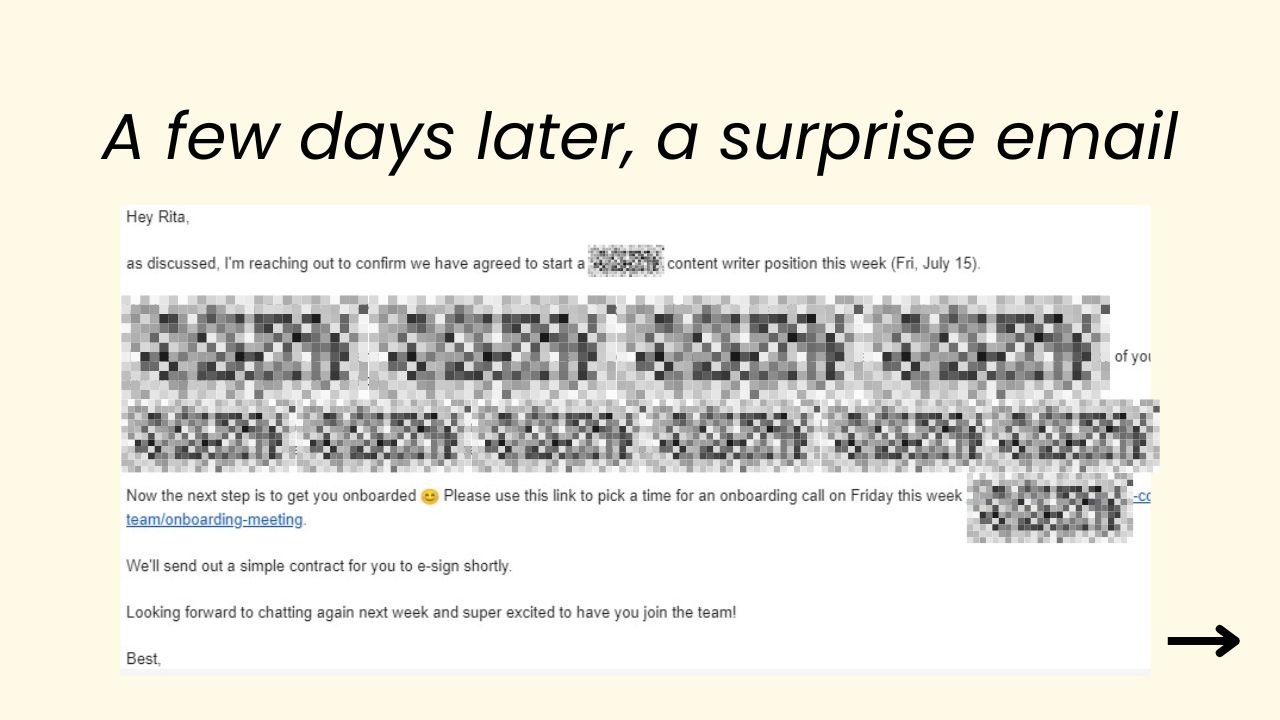
When you apply through these less crowded channels, your application stands out more, increasing your chances of getting a response. In my case, after applying via a company’s website I found through Google, I quickly received an acknowledgment email, followed by an interview invite, a writing sample request, and eventually a contract offer—all within a few days.
Tips for Success with Google Search
- Try different search phrases related to the role you want. Instead of just “hiring a content writer,” try “hiring an independent writer” or “remote writing jobs.”
- Be patient and thorough. Scroll through multiple pages of search results to find hidden gems.
- Use Google Alerts to automate this process. Set up alerts for your specific job search terms so you’re notified of new postings immediately.
- Be open-minded about location. Some companies may offer remote roles but prefer candidates in certain time zones or countries.
Method 2: Leveraging Upwork to Find Direct Company Contacts
The second method I used involves a platform that many freelancers have mixed feelings about: Upwork. Yes, the competition is fierce, and the platform can feel crowded. But there’s a smart way to use Upwork that most people overlook, and it dramatically improves your chances of landing remote jobs.
How to Use Upwork Creatively
When browsing jobs on Upwork, I specifically look for listings where the client has included their company name or a link to their website in the job description. This is a goldmine because it tells you that the company is actively hiring, and you can reach out to them directly outside of Upwork.
Here’s what I do:
- Identify a job posting on Upwork with a company name or website link.
- Copy the company name or website URL.
- Open a new browser tab and visit the company’s official website.
- Look for a careers page or contact information to apply directly.
- If no direct application portal exists, craft a personalized pitch email based on the job description and the company’s needs.
Why This Strategy Is Effective
This approach helps you bypass the crowded Upwork bidding process, where hundreds or thousands of freelancers might be competing for the same gig. Instead, you’re connecting directly with the company, showing initiative and a genuine interest in their business.
Because you found the job posting through Upwork, you know the company is hiring, so your outreach isn’t cold or random. It’s targeted and timely.
Warning: Pitching clients directly violates Upwork’s freelancer policy. So, you have to do this with caution. You just need to know that a company is hiring, you don’t have to tell them you saw the advert on Upwork. Just pitch your offer.
How to Pitch for Remote Jobs Like a Pro
When reaching out directly to companies, whether through email or their application portal, it’s important to come prepared with value. Don’t just say;
“I am a writer, and I want to work for you.” Instead,:
- Study the company’s website and recent content.
- Identify gaps or opportunities where your skills can help.
- Offer concrete examples of how you can add value, such as writing a sample article tailored to their niche or suggesting keyword strategies.
- Showcase any relevant experience and results you’ve achieved.
For instance, in one case, I performed keyword research for a potential client, identified low-competition keywords, and presented a list with article ideas. This approach made my pitch irresistible and led to a remote job that lasted six months, plus several well-paid gigs.
A Word of Caution for Beginners
If you’re just starting out and have little to no experience, these methods might not yield instant results. I say this from experience because I had already built a foundation by working in a full-time writing job before pursuing remote roles. This gave me a portfolio and confidence to sell my skills effectively.
For beginners, here’s what I recommend:
- Start writing as much as possible to build a portfolio. Write about topics you’re interested in, even if it’s just for yourself.
- Offer free or low-paid writing gigs to get testimonials and reviews.
- Gather at least 3–5 solid writing samples before pitching companies.
- Build your online presence through a blog, LinkedIn, or freelancing profiles.
Once you have some experience and samples, you can start using the methods above to target remote jobs more confidently and effectively.
To increase your chances of using these methods to land a remote job, I will advise that you prepare beforehand.
I mean, have a remote-job-ready CV, cover letter, etc. Plus, create a system for tracking your application.
Do you know how to go about these? I created 11 ready-to-use remote job templates. Check it out here
Summary: Two Powerful Strategies to Land Remote Jobs from Nigeria
To recap, here are the two strategies I personally used to secure remote jobs abroad:
- Google Search for Direct Company Job Postings: Skip job boards, use targeted search terms, and apply directly through company websites to reduce competition and increase your chances.
- Use Upwork to Find Company Details and Apply Directly: Identify jobs with company names or websites on Upwork, then bypass Upwork’s bidding by applying directly and crafting value-packed pitches.
Both methods require patience, creativity, and a willingness to go beyond the obvious. But the results speak for themselves—landing remote jobs faster and with less competition.
Final Thoughts
Breaking into remote work from Nigeria or anywhere else can be challenging, but it’s absolutely possible with the right strategies. These two methods helped me land remote jobs from Europe without relying heavily on crowded job boards or freelance platforms. They allowed me to stand out, demonstrate value, and connect directly with hiring companies.
If you’re serious about landing a remote job, start experimenting with these approaches today. If you’re new, remember to build your skills and portfolio first, and then use these strategies to fast-track your remote job search.
If you have any questions or want personalized advice, feel free to leave a comment or reach out. I’m here to help you succeed on your remote work journey.
Thank you for reading, and here’s to your remote work success!
Do you need help landing a remote job? Join my FREE community.