I landed my first remote job with a company in Europe by doing something very simple:
I used search.
I did not create profiles on multiple platforms, I did not pay any agencies, and I did not grind endlessly on Upwork or Fiverr. I went to Google and searched for the role I wanted. That approach worked then, and I still use it today.
Why using search is often faster than job sites
Most people assume the only way to find remote work is to join a marketplace or check a handful of “remote job” sites. That wastes time and means you compete in crowded pools. Search lets you go directly to companies, ATS portals, agencies, and startup founders who are actively hiring. If you frame your queries correctly, you find opportunities that rarely make it to the big boards.
Practical search strategies that work
1. Start with a simple keyword search
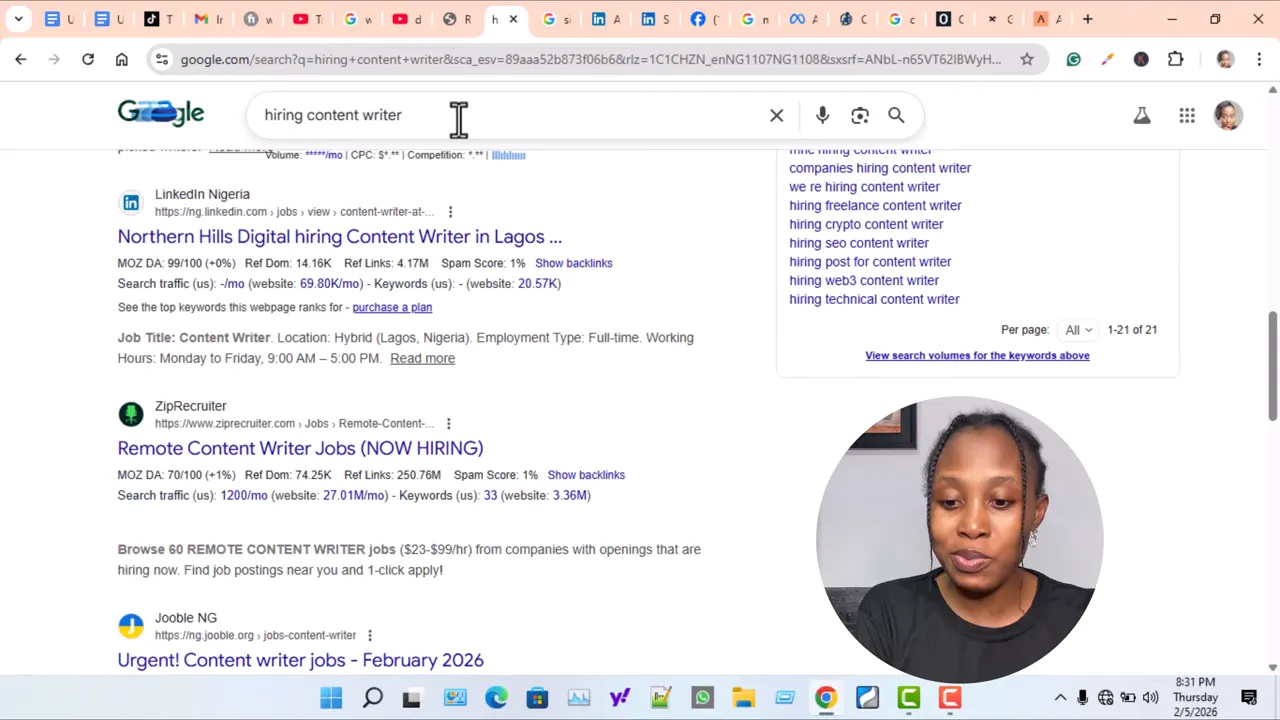
Type the exact role plus remote and your target location (if any). For example:
- hiring content writer remote
- senior graphic designer remote
Scan results, open company career pages, and apply to roles that match your skills. I applied to a role this way yesterday and got a response within days.
2. Use Google search operators to target ATS pages
Many companies publish jobs using applicant tracking systems such as Greenhouse, Breezy HR, Workable, and others. You can search those sites directly using the site: operator to surface fresh job postings.
Example pattern:
site:greenhouse.io content writerOr, if you spot an ATS domain in search results, target it:
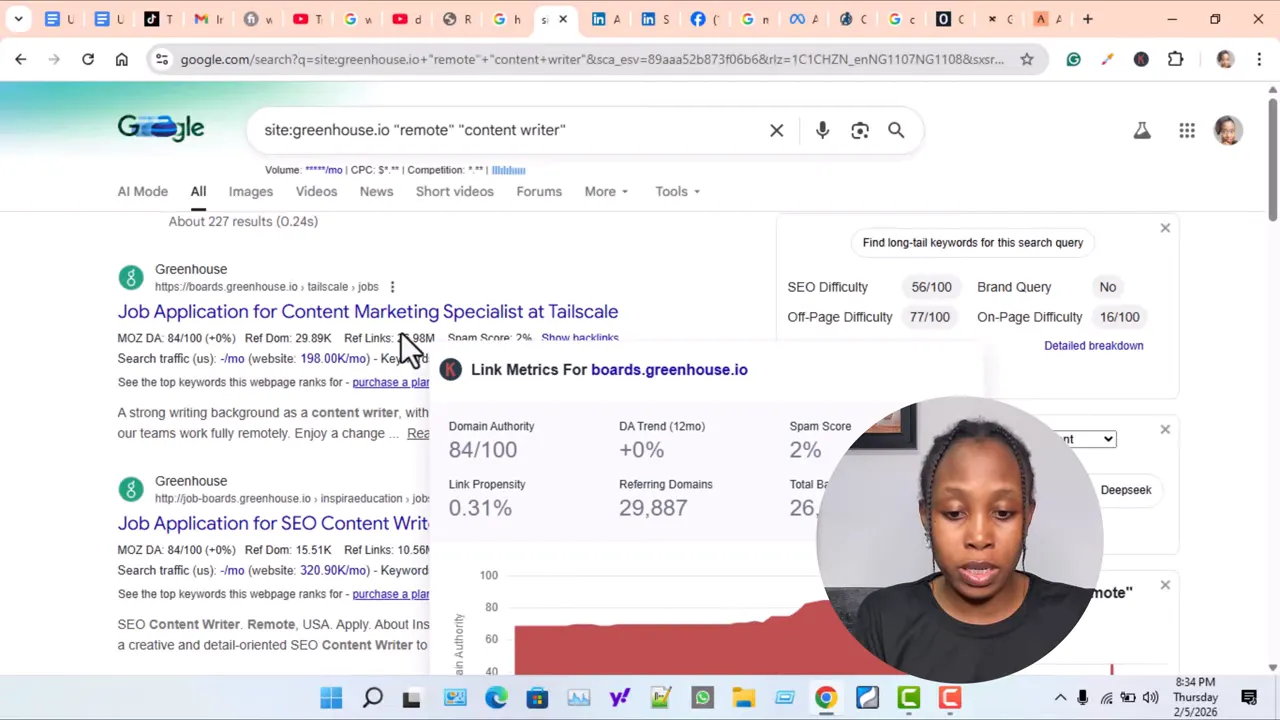
Filtering by date in Google search tools helps you find recent posts only, so you’re applying to active roles.
How to start content writing in 2026
3. Search for agencies and content teams
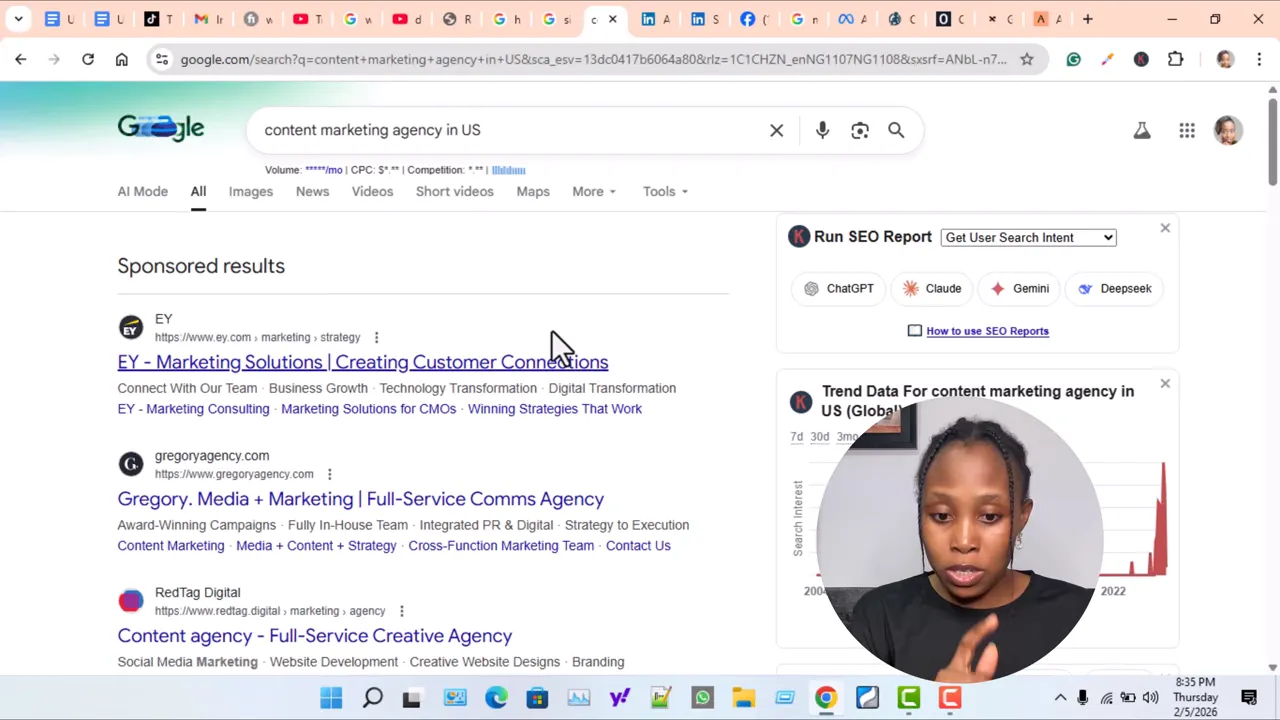
Agencies often have ongoing client projects and a constant need for talent. Search for:
- content marketing agency + location
- content agency careers
Open their websites, check career pages, or reach out directly on LinkedIn. Agencies are frequently hiring freelancers or remote writers and rarely publish every role on public job boards.
4. Use a VPN to broaden local results
Search results and business profiles can be geo-filtered. Using a VPN (set to your target country) surfaces companies and Google Business Profiles that appear to local users in that market. This reveals more agencies and teams that may hire globally.
Search inside ad libraries and startup lists
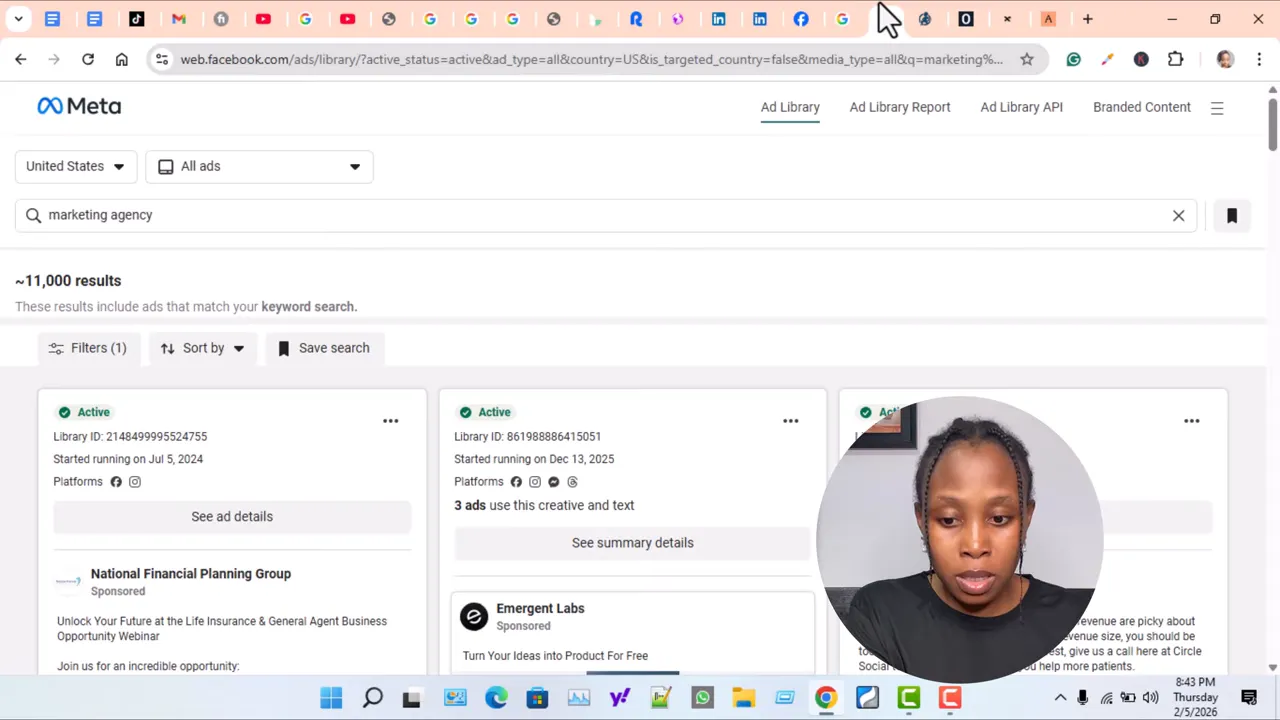
1. LinkedIn ad library and Meta ad library
Companies running ads are scaling or hiring. Search ad libraries for keywords like marketing agency or join our team and note the brands that show up. Visit their career pages or message hiring contacts directly. I found an international opportunity this way by reaching out after seeing an ad.
2. Target funded startups and recent cohorts
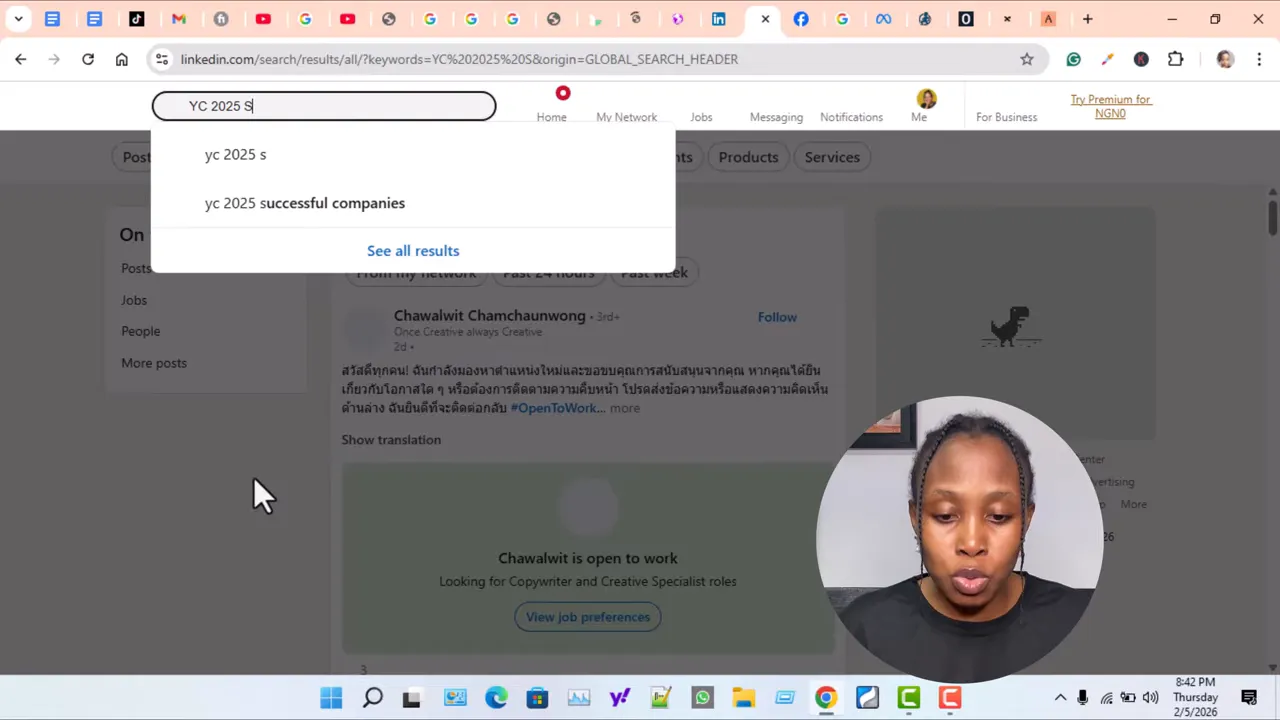
Startups are often more open to global hires, especially after funding. Search for accelerator cohorts like Y Combinator (e.g., “YC 2025”) on LinkedIn, filter people or companies, and reach out to founders or hiring leads. New startups move fast and need reliable talent.
Niche job portals and nontraditional listings
Sites that serve specific regions or talent pools sometimes list the hiring company name and contact details. For example, platforms that connect employers to Filipino talent often show company names and job details. You can use those listings to find the employer and reach out directly, even if you cannot register on the platform.
I landed an international remote job via LinkedIn, here’s how you can do thesame
How to reach out and actually get the job
Finding a job is only the first step. How you present yourself when applying determines whether you get the role.
I discovered this is what makes a difference, and I mastered how to do it well. I created a course to help learn how to reach out to international businesses with a high chance of getting a response.
Here is the link:
This comes with a free e-book. This will totally change how you apply for remote jobs.
Sell an offer, not just a skill
People often describe what they can do. High-converting applicants present a specific offer that solves the company’s problem, such as:
- “I will write three conversion-focused landing pages in 7 days, with A/B test ideas.”
- “I will manage your blog calendar and deliver four SEO-optimized posts per month.”
That clarity beats a generic skills list.
Prepare the essentials
- CV that highlights outcomes and relevant projects.
- Portfolio or case studies showing measurable results.
- A tailored message that mentions the company, the role, and the specific value you bring.
Tools and small hacks that save time
- Use Google search filters to show only recent results (past 24 hours or week).
- Search ATS domains directly: greenhouse.io, workable.com, breezy.hr, etc.
- Use a VPN to simulate a search from your target market.
- Monitor ad libraries for active hiring signals.
Quick checklist before you apply
- Have a one-paragraph pitch that describes the offer you deliver.
- Attach a portfolio item or a relevant sample.
- Include specific outcomes and past metrics where possible.
- Send the message to the hiring lead, not just the generic application form when possible.
Closing thoughts
Search is powerful. It cuts through the noise of crowded marketplaces and connects you directly with companies that need help. Whether you are a content writer, designer, growth marketer, or developer, refining how you search and how you present an offer will dramatically increase your chances of landing remote work.
If you want step-by-step templates for outreach, CVs, and portfolios, I created an ebook and a course that map out the whole process from skill selection to landing the job. If you have questions about getting started or how to tailor your pitch, leave a comment, and I’ll respond.